
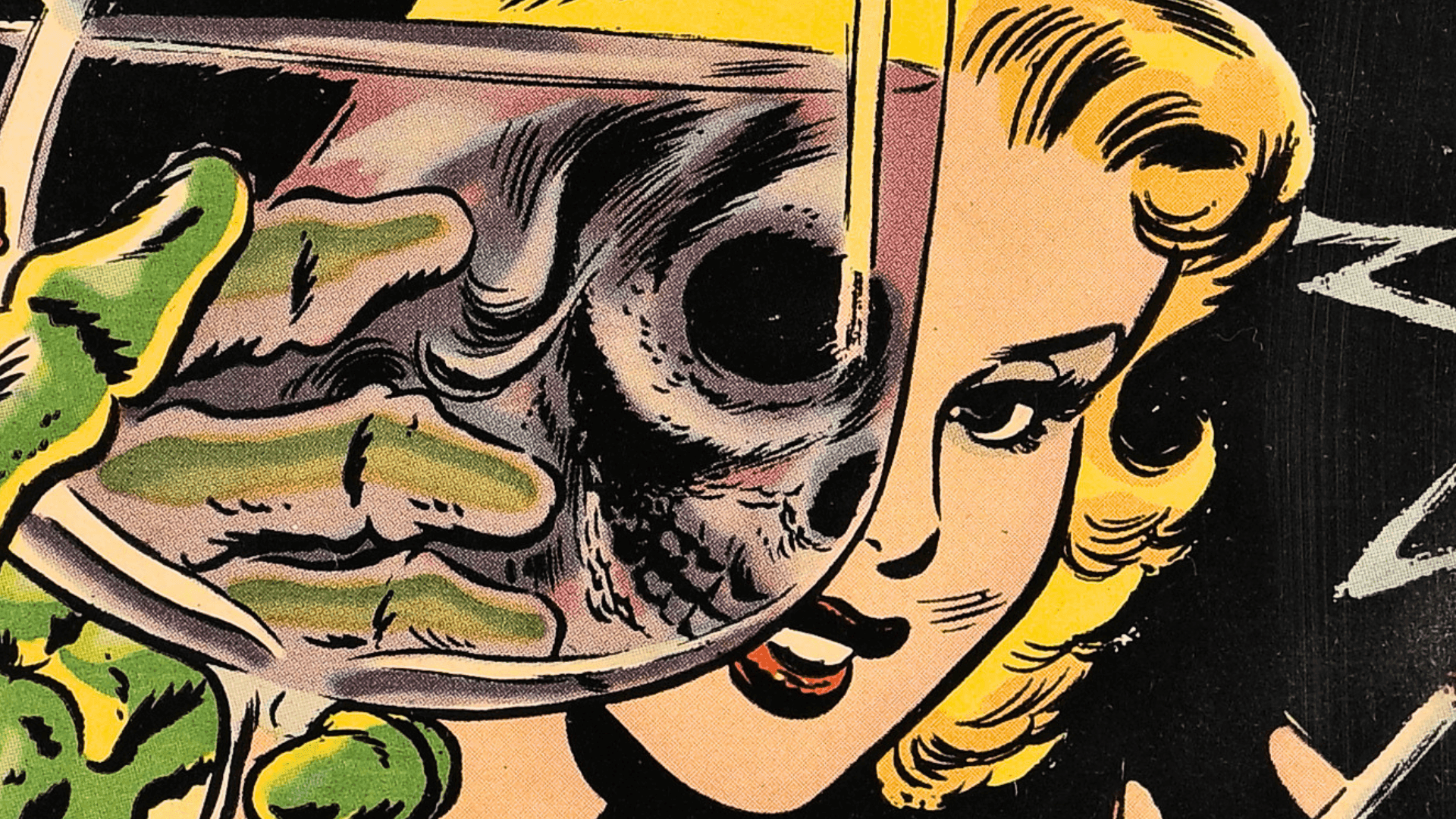
The origins of the Comics Code can be traced to growing public anxiety surrounding comic books in post-war America.
During the late 1940s and early 1950s, comic books became a dominant fixture of American popular culture. However, rising concerns over juvenile delinquency led critics and authority figures to question the influence of mass media on children.
In 1954, intense public and political pressure mounted following the publication of Dr. Fredric Wertham’s infamous book, Seduction of the Innocent. The text generated widespread publicity and ignited a nation-wide moral panic over comic book content.
In response, US comic publishers formed the Comics Code Authority (CCA). To survive, publishers self-censored by banning explicit violence, gore, ghouls, vampires, the living dead, and suggestive cover art. While an underground movement of unregulated adult comics eventually emerged, mainstream publishers like Marvel and DC Comics worked around the Code by introducing 'suspense' and 'mystery' titles in the late 1960s.
By the 1970s, the Code was losing its grip. When the United States Department of Health, Education and Welfare approached Marvel to create a story about drug abuse, Stan Lee penned a Spider-Man arc (The Amazing Spider-Man #96–#98) addressing prescription drug addiction. Although the CCA refused to issue its seal of approval due to the depiction of narcotics, Marvel published the issues without it.
In January 1971, the CCA revised its rules to allow sympathetic or cautionary depictions of drug addiction, alongside the return of vampires, ghouls, and werewolves. This led to a boom in horror comics, introducing iconic titles such as The Tomb of Dracula and Werewolf by Night, debuting legendary characters like Blade and Moon Knight, and featuring the first appearance of Ghost Rider in Marvel Spotlight #5 (1972).
The Comics Code Authority introduced another major amendment in 1989, lifting the ban on LGBTQ+ characters and further relaxing guidelines on mature themes. By this point, direct-market comic shops were thriving by selling unapproved titles. The Comics Code was rendered obsolete and officially ended in January 2011, replaced by publisher-driven age rating systems (e.g. All Ages, Teen, 15+, and Mature).
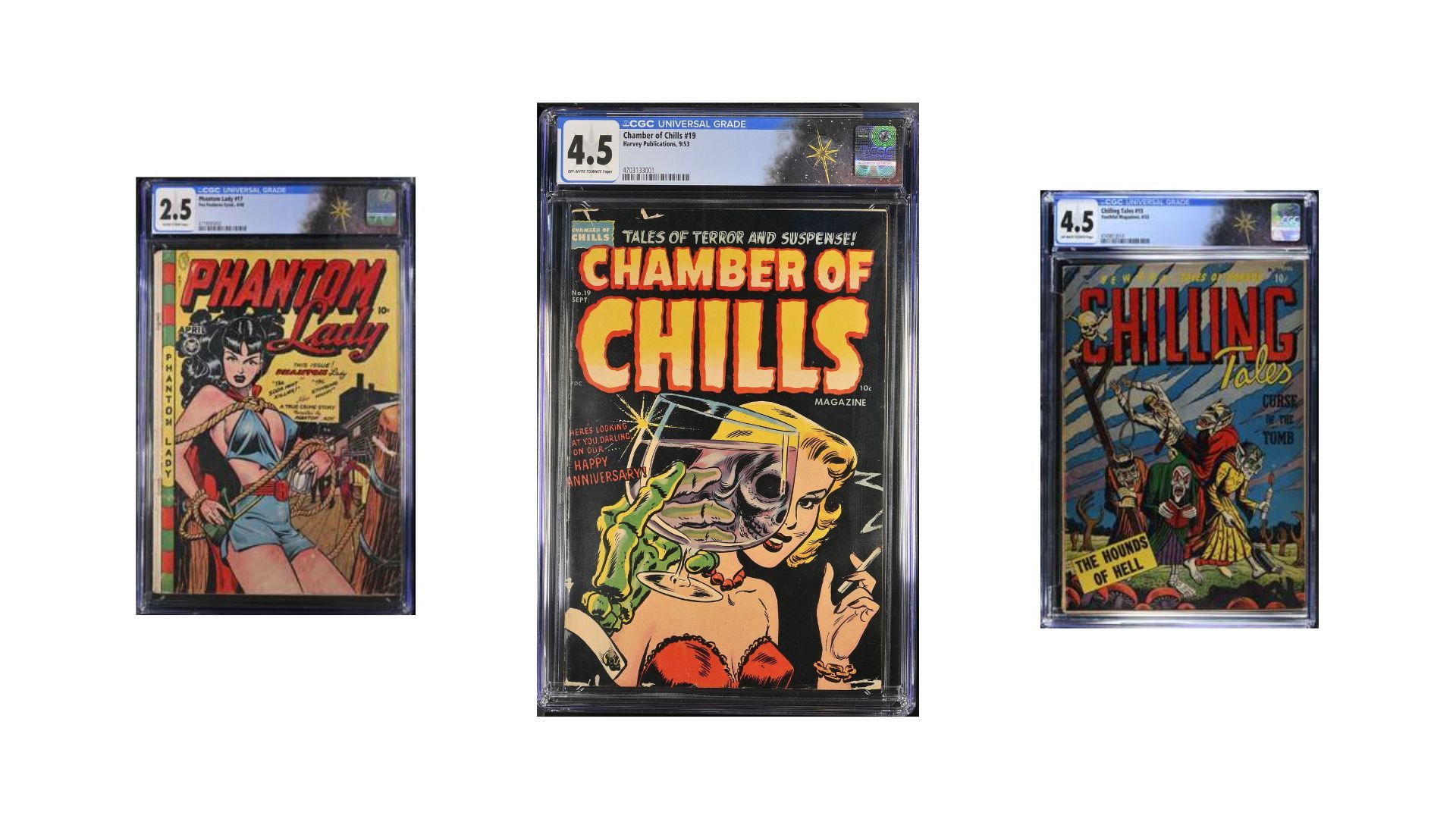
Defying Censorship and Defining Eras
"Pre-Code" refers to the wild, unfiltered Golden Age era (1948–1954) before the Code seal was required. Artists operated without creative boundaries, producing shocking, visceral, and beautifully eerie covers. When the Code was enforced, newsstands pulled and destroyed millions of these issues.
Because of low original print runs and mass destruction, survival rates are exceedingly low. Most Pre-Code Golden Age horror issues in our upcoming Northern Collection: From the Vault Auction have fewer than 8 to 50 copies total graded worldwide.
Interested in purchasing your own piece of comic book history? The Northern Collection: From the Vault Auction takes place on the 6th of November from 12:00 pm GMT.
