Stanley Gibbons Baldwin’s, Comics Consultant, Bryson Johnson, recently created an article for Down The Tubes, in which he described the Comics that Defined the Decades
We’ve taken that original article and cut it down into a bitesize format. If you are interested in how tastes, sentiments, and the geopolitical landscape have changed over the last century, read on.
Thinking about selling?
Our specialists are here to help guide you through every step with care and expertise.
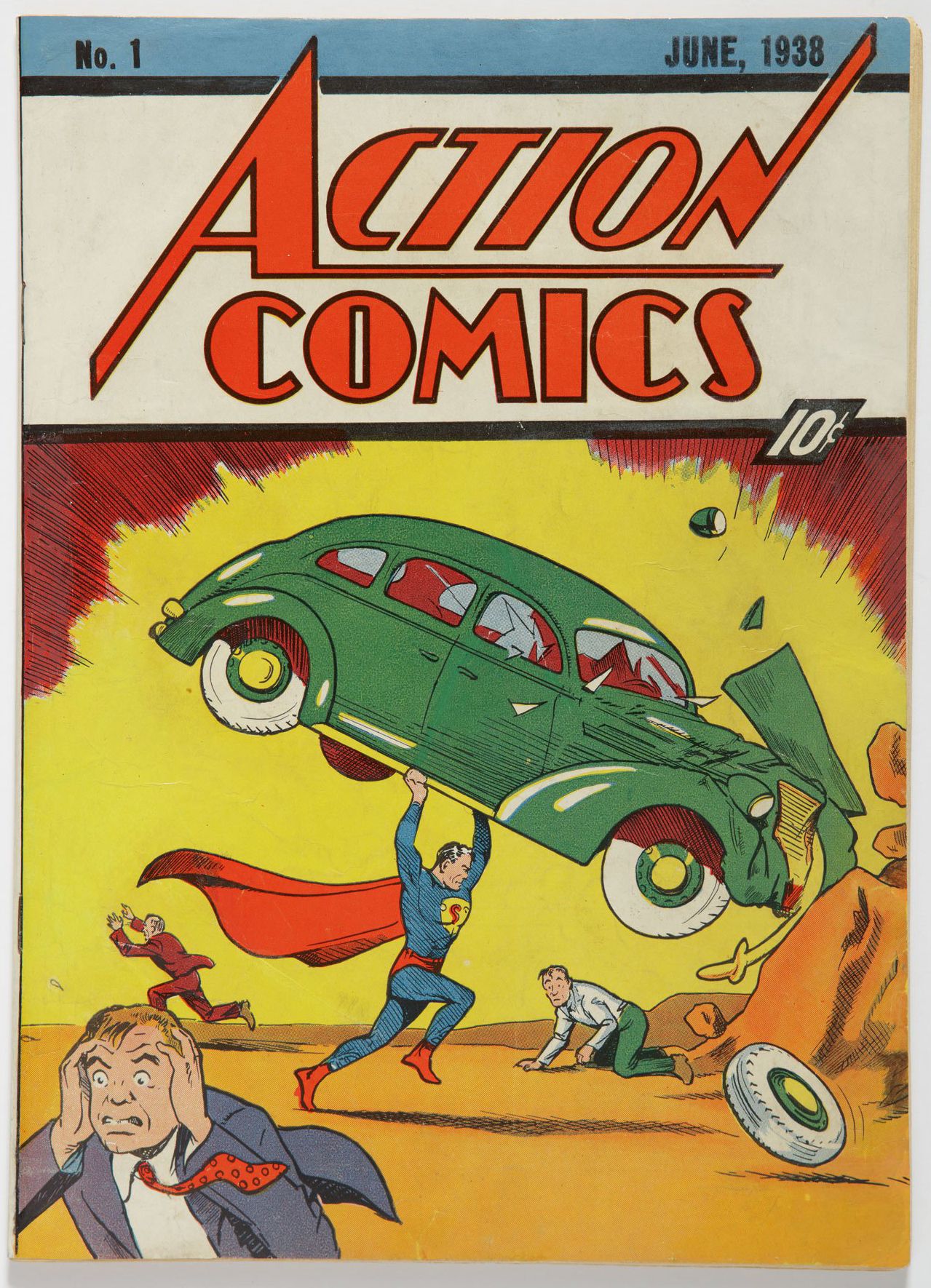
The debut of Superman marked the "Big Bang" of the superhero genre. Culturally, this issue maps America’s transition out of the Great Depression, reflecting the "New Deal" era's hope for a force that could right a broken system. This first issue established the visual grammar of the superhero - the cape, the secret identity, and impossible strength - that remains the industry standard today.
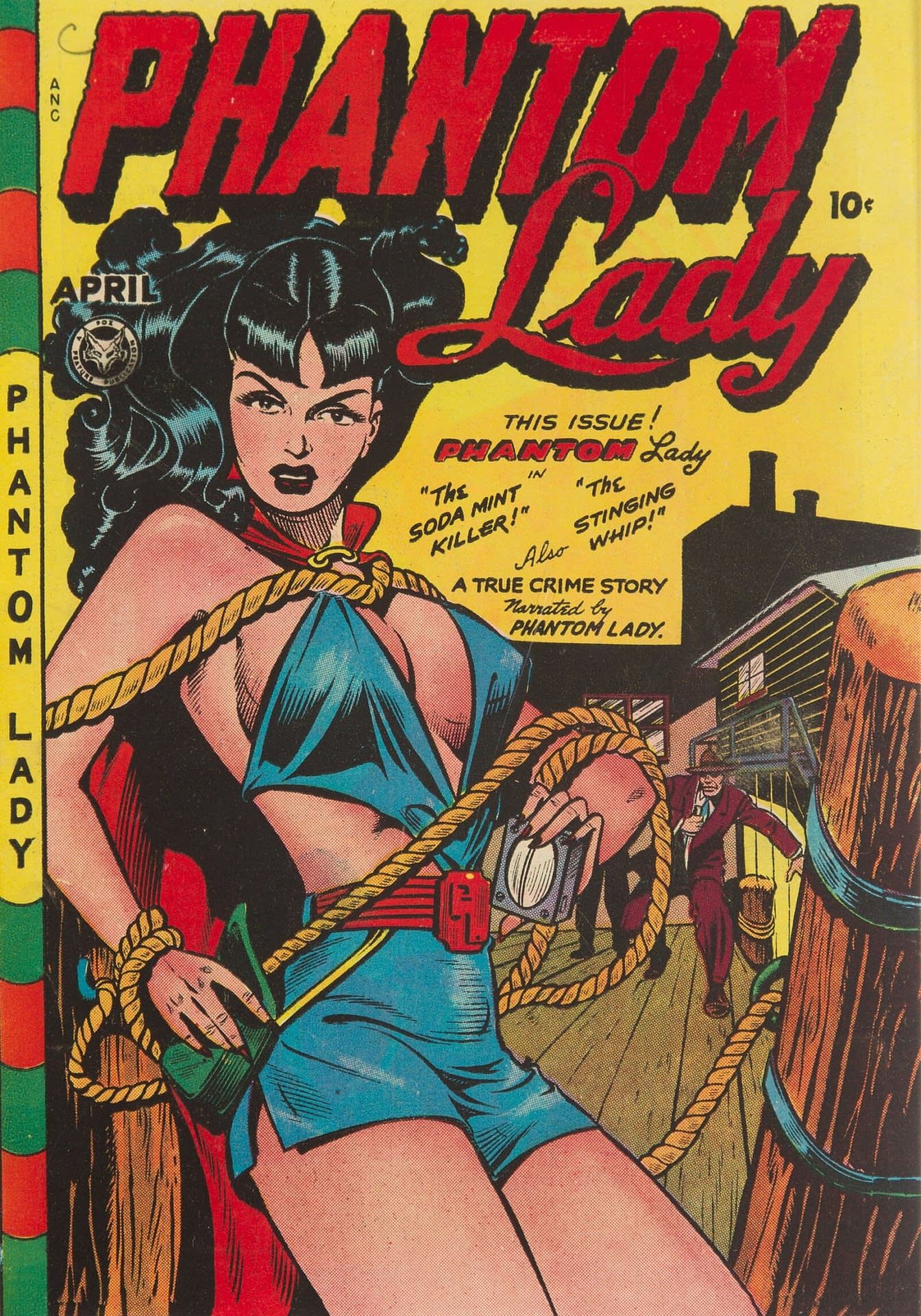
1940s: Phantom Lady #17 (1948)
Phantom Lady #17 sits at the intersection of postwar artistic achievement and mid-century moral panic. It is famous for its "headlights" cover art by Matt Baker, the first prominent African American artist in the industry, whose rendering of the heroine trapped in a spotlight became a masterpiece of the era’s pulp aesthetic.
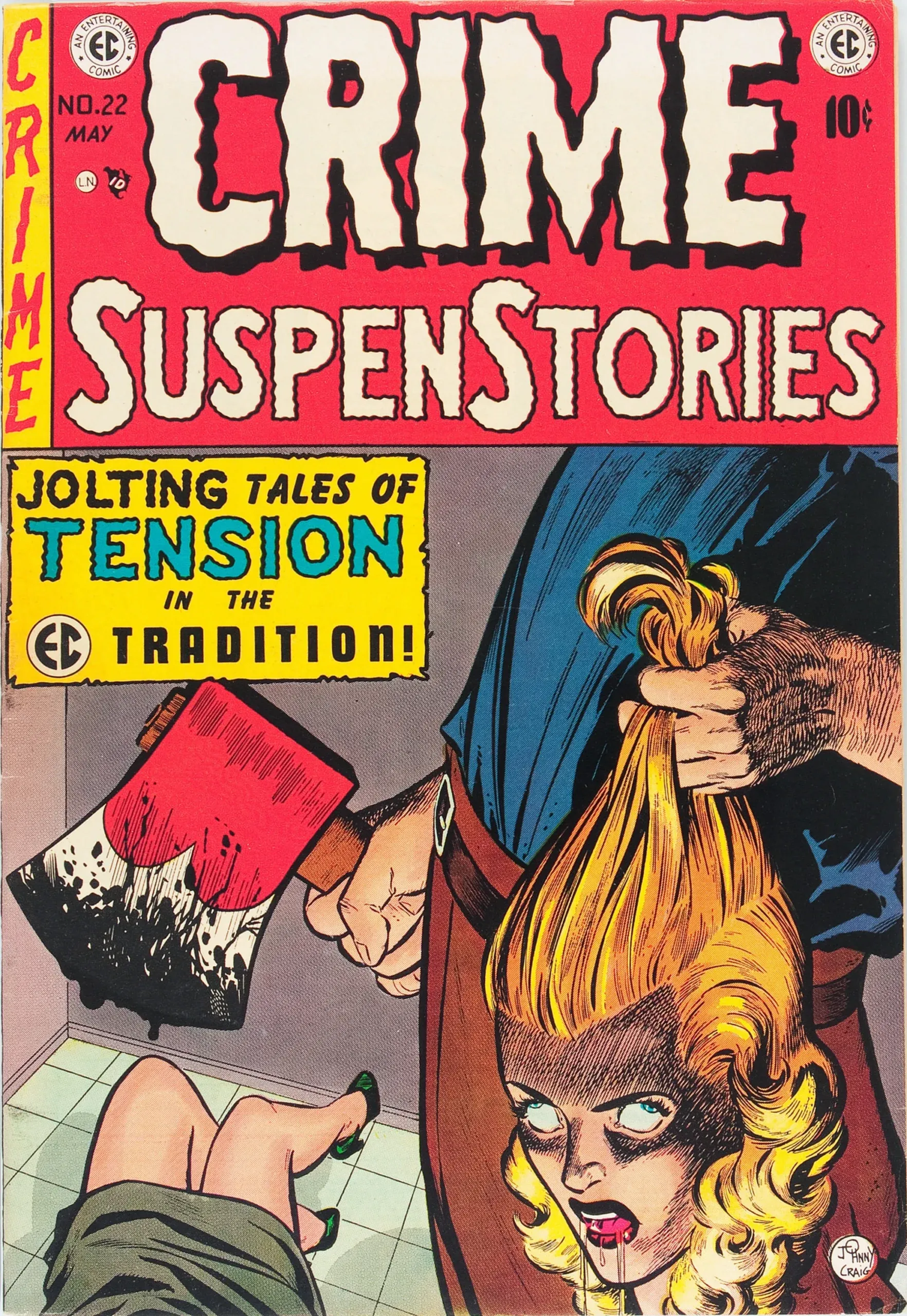
1950s: Crime SuspenStories #22 (1954)
Crime SuspenStories #22 represents the most significant turning point in comic book history, bringing the industry to its knees during the "Red Scare" era. Its grisly cover of a severed head was held up in the Senate as proof that comics were "poisoning" America's youth, forcing a total industry pivot from gritty realism to sanitized fantasy.
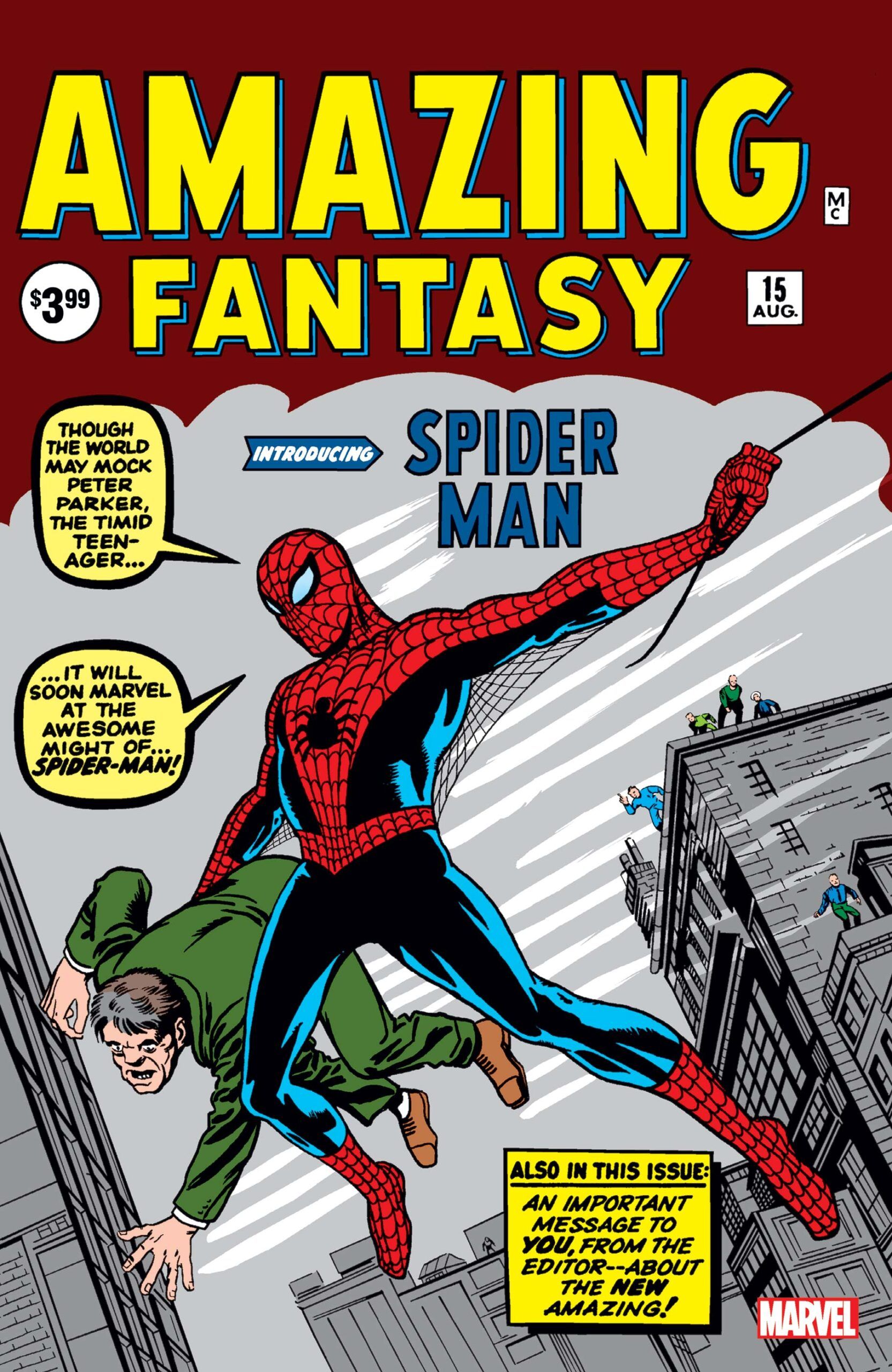
1960s: Amazing Fantasy #15 (1962)
This issue redefined the hero for the Space Age by introducing Peter Parker. Before Spider-Man, adolescents were relegated to the role of the "sidekick". Stan Lee and Steve Ditko shattered that dynamic by placing a socially awkward, insecure high school student at the center of the narrative, mirroring the rise of a distinct "youth culture" in post-war America.
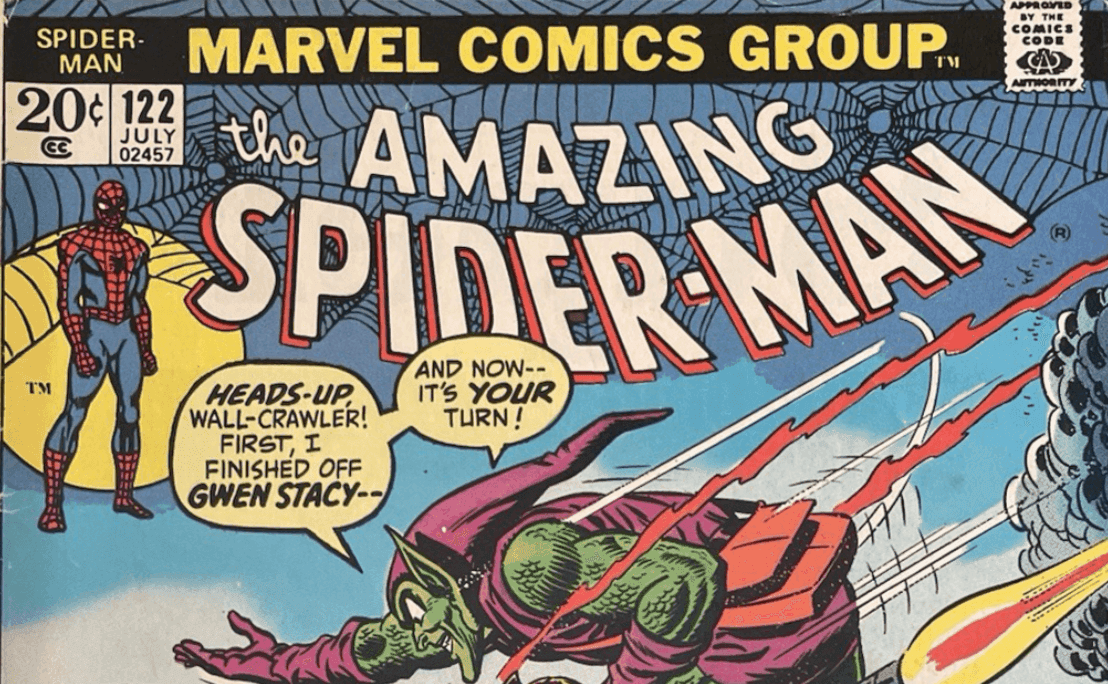
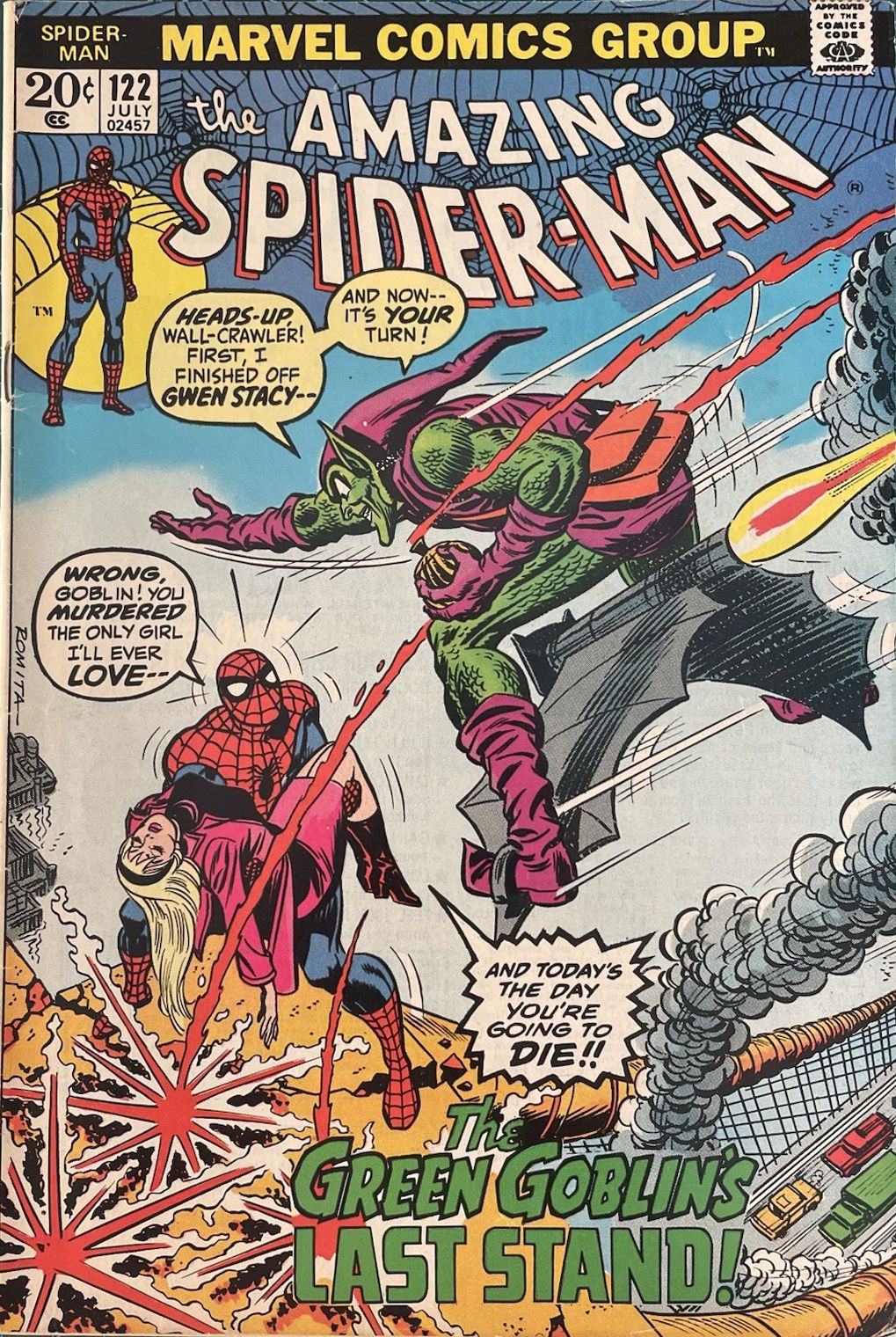
1970s: Amazing Spider-Man #122 (1973)
This issue effectively ended the optimistic "Silver Age" of comics and ushered in the grittier, more cynical Bronze Age. Following the death of Gwen Stacy, this story saw a grief-stricken Peter Parker consumed by a raw rage that pushed his "no-kill" rule to a psychological breaking point, reflecting the disillusionment of post-Vietnam, Watergate-era America.
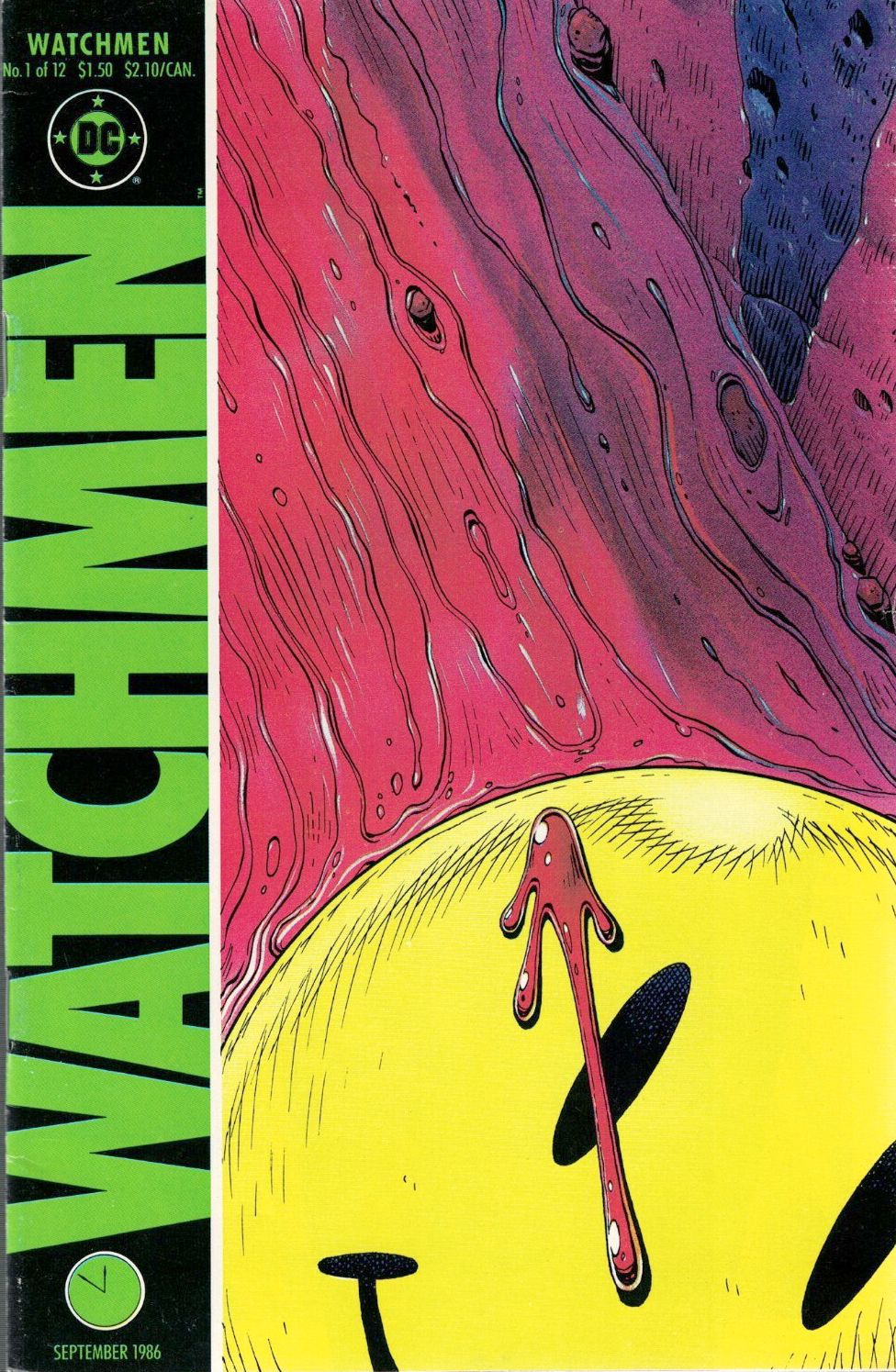
1980s: Watchmen #1 (1986)
Watchmen #1 represents the deconstruction of the superhero as a moral icon. Alan Moore and Dave Gibbons took the archetypes defined in the 1930s and subjected them to the harsh light of 1980s sociopolitical reality, asking the uncomfortable question, "Who watches the watchmen?" to challenge the very sanity of costumed heroes.
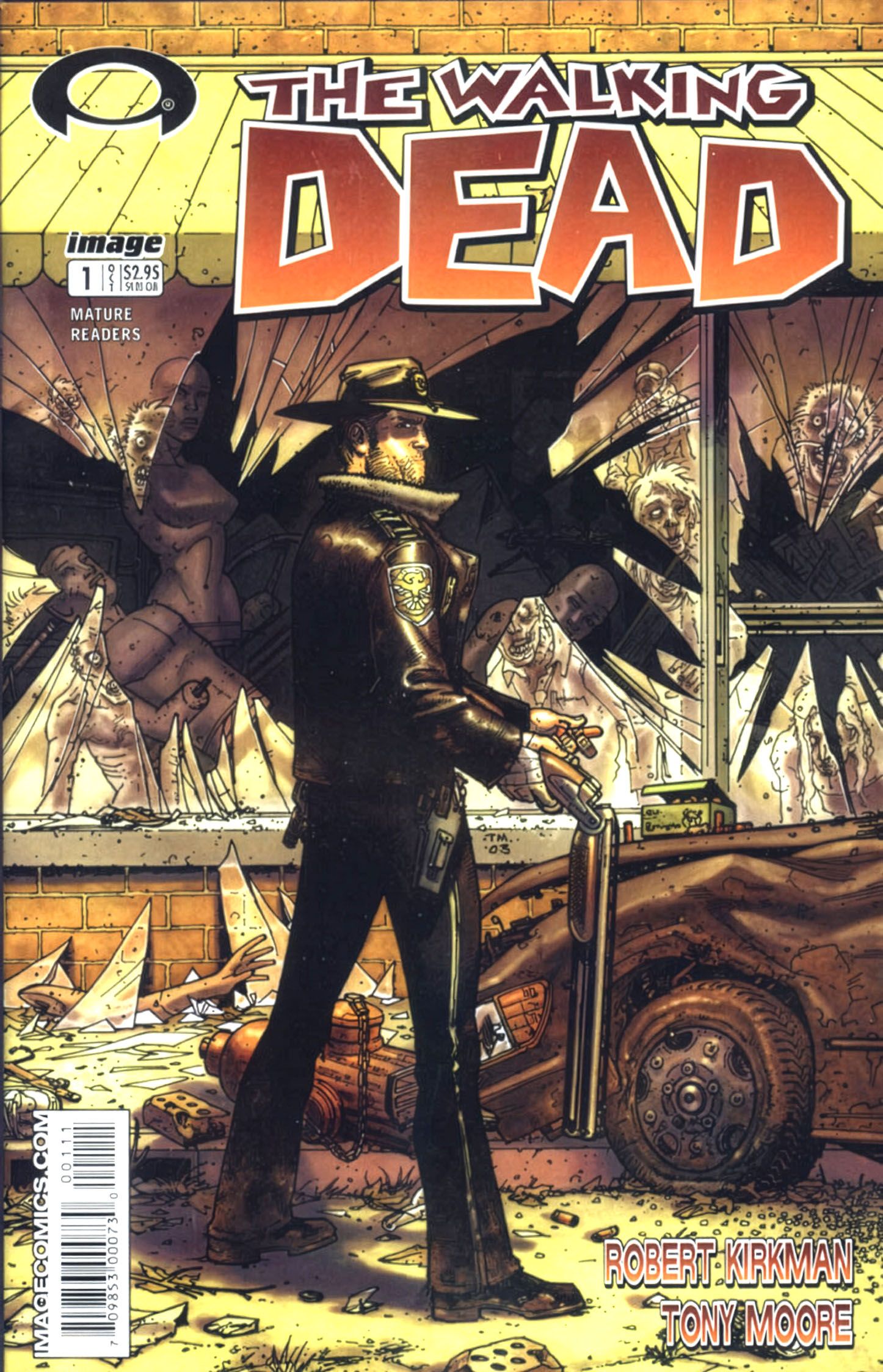
2000s: The Walking Dead #1 (2003)
The Walking Dead #1 redefined the zombie genre by turning it into a profound exploration of the human condition. Debuting just two years after 9/11, it tapped into a collective anxiety about the fragility of civilization, asking the question films never had the time for: "What happens after the credits roll?"
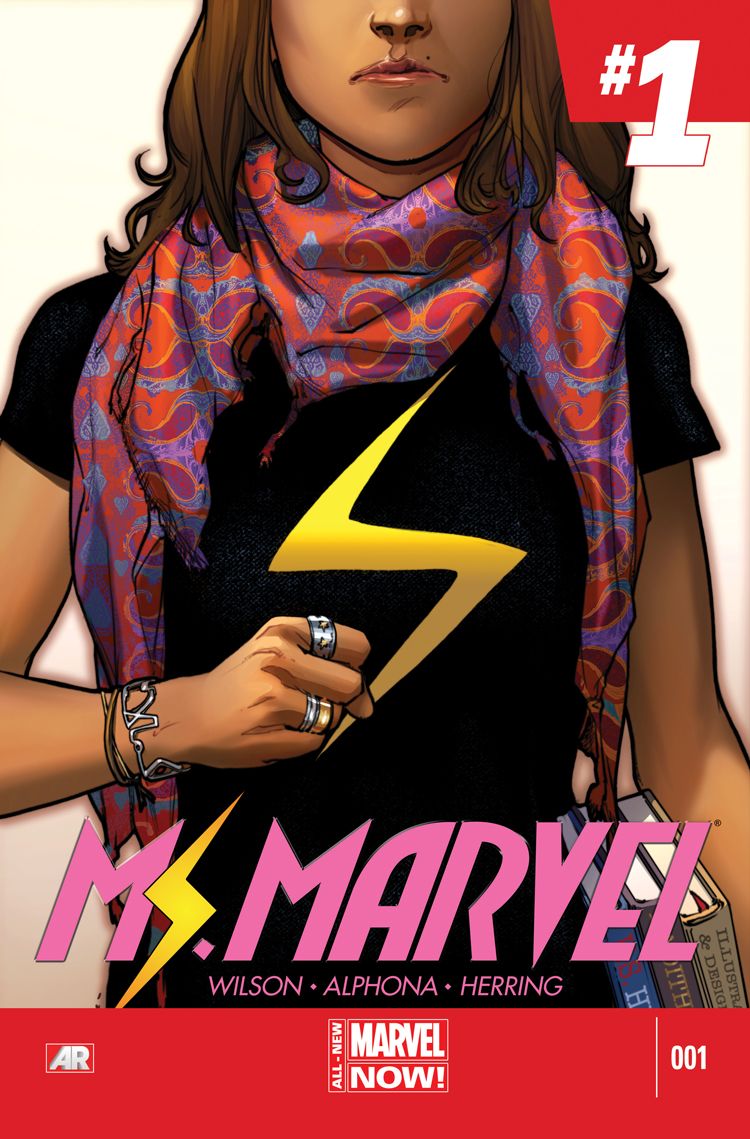
2010s: Ms. Marvel #1 (2014)
While the Marvel Cinematic Universe dominated global box offices, the comics of the 2010s underwent a massive internal shift toward identity and intersectionality. Ms. Marvel #1 introduced Kamala Khan, a Pakistani-American teenager from Jersey City, making her faith and immigrant background the core of her superhero journey.
As we look back at these milestones, it becomes clear that a comic book is a time capsule - a high-resolution snapshot of the fears, hopes, and values of the era that produced it. From the pulp rebellion of the 1940s to the complex survivalism of the 2000s, these issues have survived as the primary source material for our modern cultural identity.
At Stanley Gibbons Baldwin’s, we understand that the value of these items lies in their story. As we move further into a digital age, the physical weight of these "paper myths" only becomes more precious.