
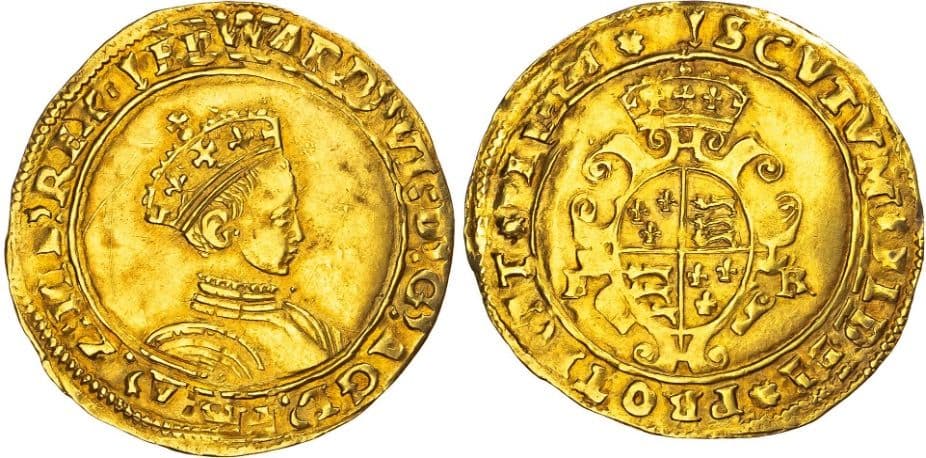
In Baldwin’s auction of coins and medals on the 30th. March there is a particular gem – a gold Half sovereign of the boy king Edward VII, struck at Southwark (lot 89). The obverse bears a particularly poignant portrait of the twelve-year-old son of Henry VIII who would only survive another three years to die in July 1553, at the age of fifteen.
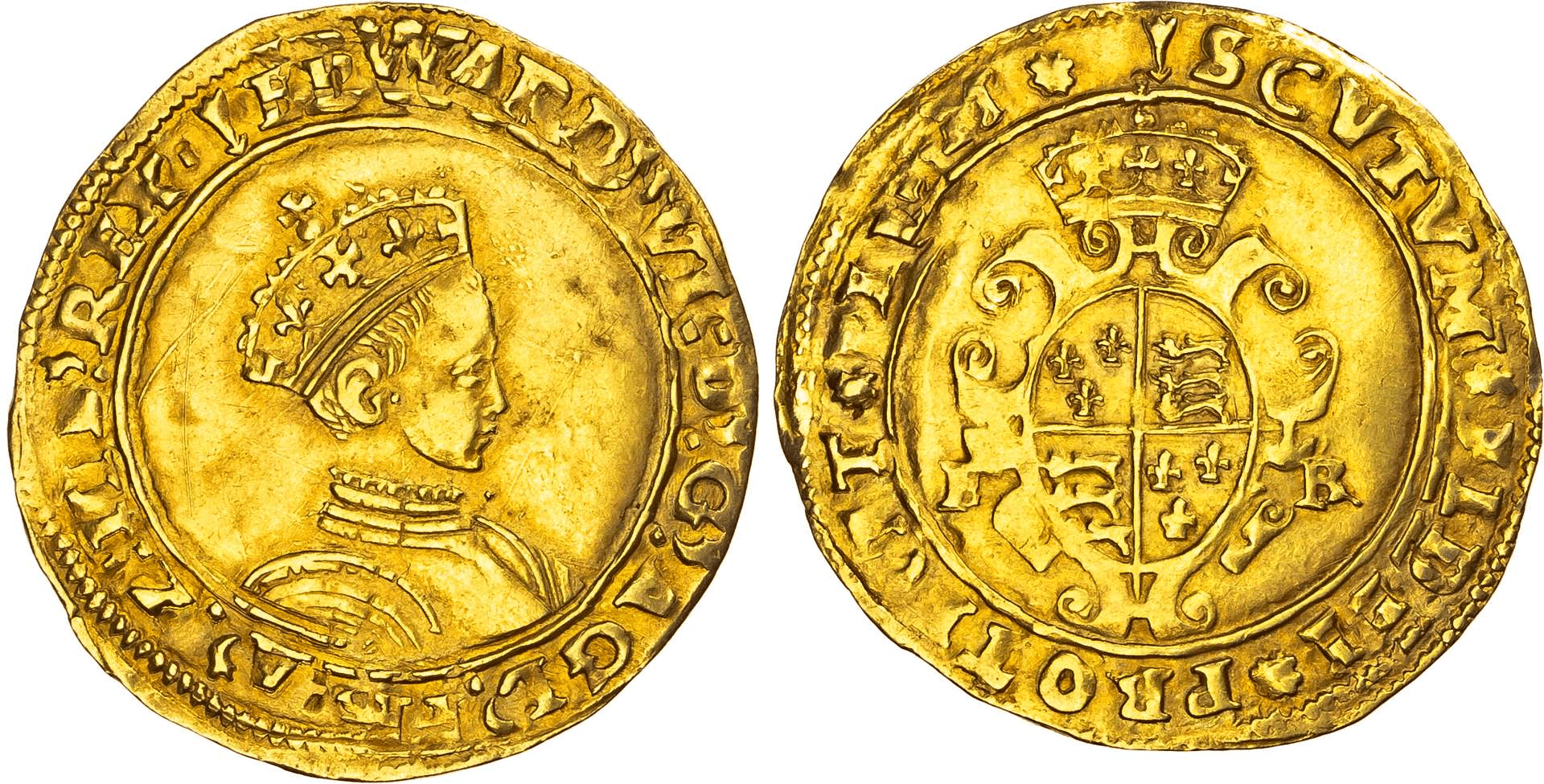
The portrait is particularly good in that it is well struck and seen little wear. The features of the boy are beautifully exhibited and the large crown and his cuirassed bust are also well shown. If there is any criticism of the piece to be made, it is that some of the legend is a little double struck. The reverse is again strongly struck showing the crowned Royal Arms in an elaborately ogee shield, the mintmark is an arrow and the coin was struck at Southwark.
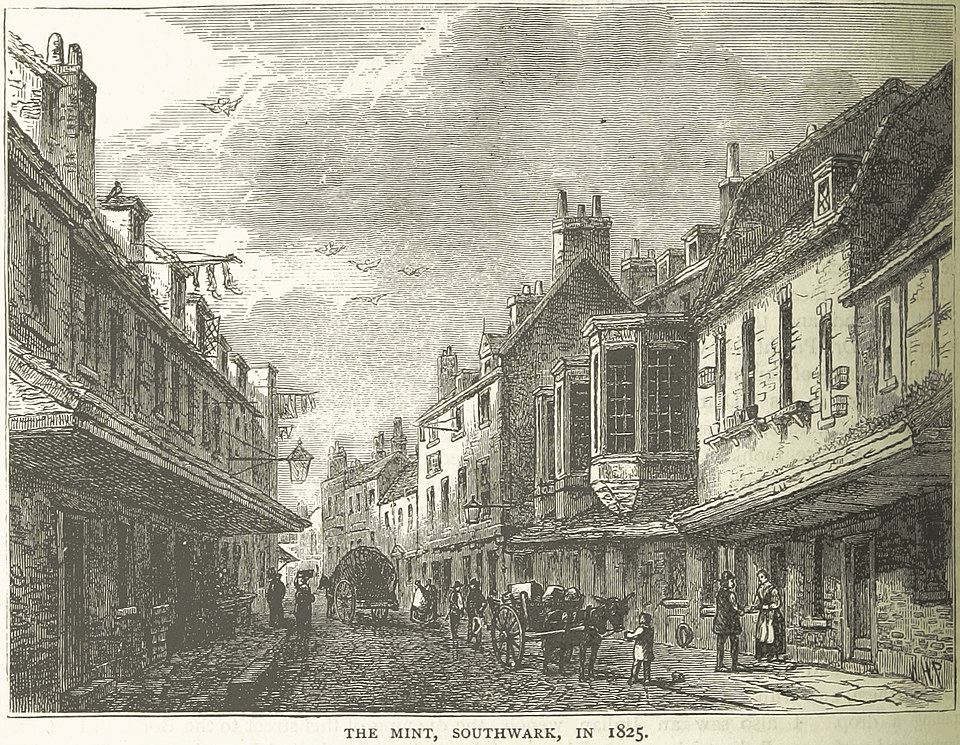
Southwark Mint only operated for some ten years, opening from 1543 to around 1553. The mint itself was housed in Suffolk Place which now no longer exists but it was on the west side of Borough High Street, about where Marshalsea Road is now located. Suffolk Place was part of a manor that had been given by Henry VIII to Edward’s mother, Jane Seymour and the mint was actually set up in Henry’s time. However, it didn’t last long and after its demolition in 1557 the area quickly became a slum and was known for offering protection against prosecution for debtors due to its legal status as a "Liberty", or a jurisdictional interzone. In the 19th. century this whole area was swept away.,
Edward would survive another three years after the portrait on this coin was made, dying at the age of fifteen on the 6th. July 1553. He started to become ill in the January of that year with constant fevers, a persistent cough, and often having difficulty in drawing breath. Over the next few months he would get better and then relapse until finally on the 11th. June , after a spell of good health he collapsed and it was reported that “the matter he ejects from his mouth is sometimes coloured a greenish yellow and black, sometimes pink, like the colour of blood". His legs were so swollen he could not walk and he made his final appearance on the 1st July and was reported to be ‘thin and wasted’. He died five days later at Greenwich Palace.
The cause of Edward VI's death is uncertain and as with many royal deaths in the 16th century, there were many rumours of poisoning - but no evidence can be found to support them. One particularly ‘shrill’ theory was that Edward had been poisoned by Catholics seeking to bring Mary to the throne, but this is very unlikely. The Venetian ambassador reported that Edward had died of consumption—in other words, tuberculosis—a diagnosis many historians now accept.
In the spring of 1552, Edward became sick with not just measles but smallpox - the illness was brief and he fully recovered. However, this may well have fatally reduced his immunity. It is possible Edward had been exposed to tuberculosis before his bout with measles. One of the known consequences of measles is the suppression of the immune system which allows latent infection to be exposed. Tuberculosis would then damage the bronchi and lungs causing abscesses (which were observed by Edward’s surgeons when they performed the postmortem). This would create the coughed-up sputum as reported above. The infection would have spread to the pleural cavity and produced fever, weight loss and more sputum. General septicaemia would result and this would attack other organs. The evidence of swelling in his legs, preventing him from standing, would indicate renal failure. In all this does suggest Tuberculosis, as the Venetian ambassador suggested and it would have been not an easy death for the fifteen-year-old.
So, we have here a coin of the young twelve-year old king showing him in full health and vitality, and in whose reign such a lasting contribution to the English Reformation and the structure of the Church of England was made. It is a stunningly beautiful but poignant reminder of the young Edward VI, before he became fatally ill. This piece is expected to realise between £4,000 and £6,000. Surely a trifle for a superb and importantly, a contemporary portrait of the last Tudor king