Lot 672
France, Third Republic (1870-1940). 1900 Summer Olympics at the International Exhibition at Paris.
Ancient, British and World Coins | C24004
Auction: 10 July 2024 at 10:00 BST
Description
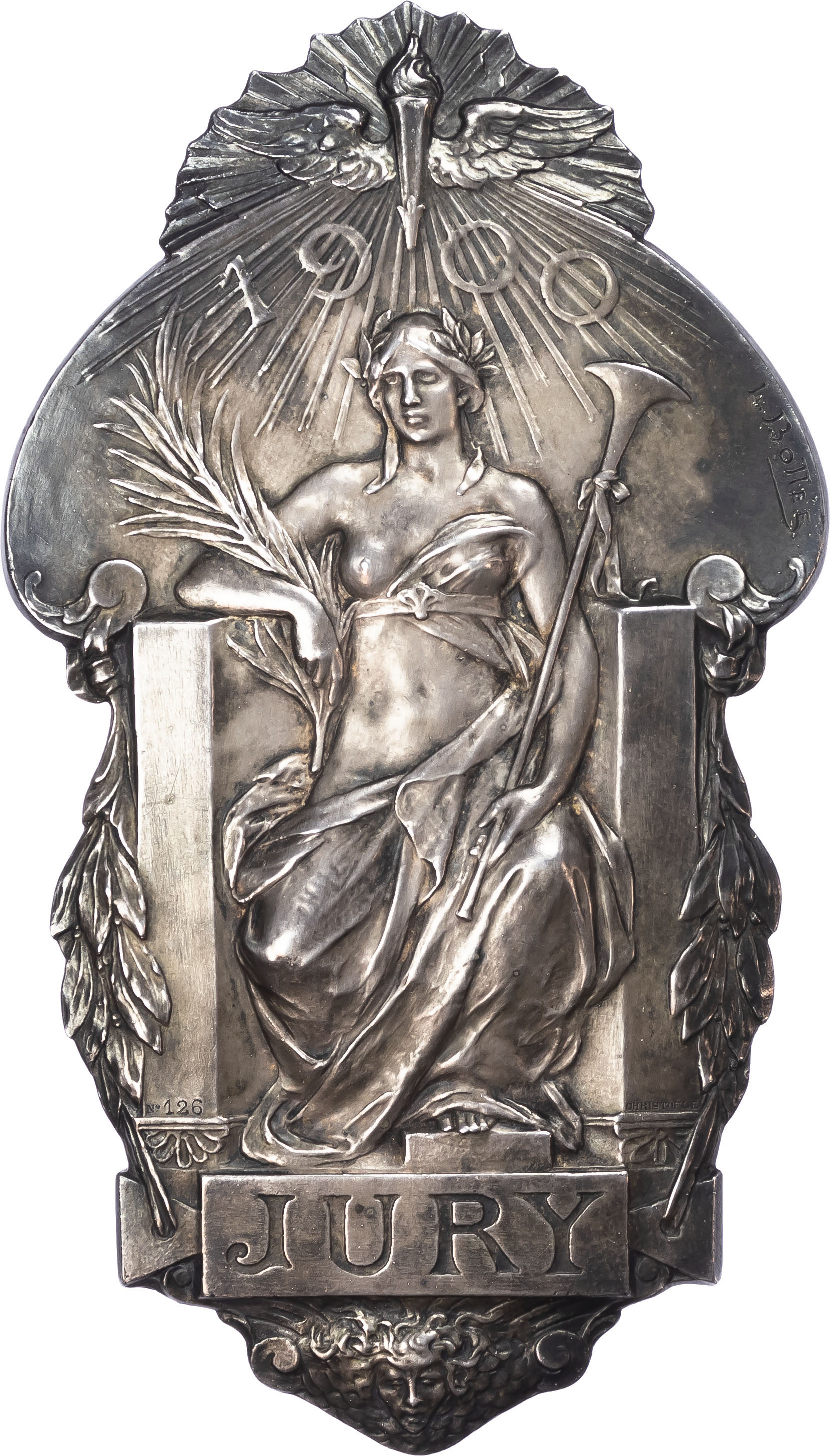
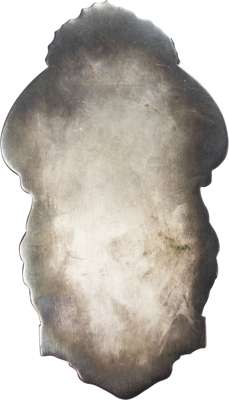
Uniface silvered bronze Jury plaque, (129x74mm/175.5gm). Fame, laureate and seated facing, holding a trumpet and a palm, above 1900 and a radiant torch; below ‘JURY’. To the right signature’ L. BOTTÉE’; and on the base of each pillar ‘No. 126’ and ‘CHRISTOFLE’. Rev, blank. (G.101a). Positioned on its original green (now faded to brown) velvet easel with a folding foot behind. Medal Extremely Fine and handsomely toned, easel sound, though faded, with the base of the box it was presented in. Excessively rare.
This uniface jury plaque was issued by Christofle for the Paris Summer Olympics at the Universal Exhibition in 1900 and attributed to Jury No. 126. These jurors medals were awarded to those Olympic officials whose function was to referee and apply the rules of the particular sport they were overseeing, impartially.
The 1900 Summer Olympics, today officially known as the Games of the II Olympiad , were an international multi-sport event that took place in Paris, from 14 May to 28 October 1900. No opening or closing ceremonies were held. A few years earlier the Sorbonne Conference of 1894, Pierre de Coubertin proposed that the Olympic Games should take place in Paris in 1900. However, the delegates to the conference were unwilling to wait six years and lobbied to hold the first games earlier, in 1896. Thus, the first Olympic games were held in Athens in 1896 and Paris hosted the second Games four years later.
These Second Games in Paris were held as part of the 1900 World's Fair. In total, 1,226 competitors took part in 19 different sports. This number relies on certain assumptions about which events were and were not "Olympic". Many athletes, some of whom had won events, were not even aware that they had competed in the Olympic Games. Women took part in the games for the first time, with sailor Hélène de Pourtalès, born Helen Barbey in New York City, becoming the first female Olympic champion. The decision to hold competitions on a Sunday brought protests from many American athletes, who travelled as representatives of their colleges and were expected to withdraw rather than compete on the ‘Sabbath’.
Most of the winners in 1900 did not receive medals but were given cups or trophies. Some events were contested for the only time in the history of the Games, including angling, motor racing, ballooning, cricket, croquet, Basque pelota, 200m swimming obstacle race and underwater swimming. This was also the only Olympic Games in history to use live animals (pigeons) as targets during the shooting event. The host nation of France fielded 72% of all athletes (720 of the 997) and won the most gold, silver and bronze placings amounting to 102 medals. U.S. athletes won 76 medals, while fielding 75 participants, the fifth most. British athletes won 32 medals, while fielding the second largest team, namely 102.